| Occlusal Bite Reconstruction Dentist Bayside | Feldspathic Anterior Posterior Porcelain | Long Island Queens New York |
|
 |
 |
 |
 |
 |
                         

 |
Biting Surface Modification and RehabilitationCommon Occlusion DynamicsBite and occlusion factors are complex and quite frankly, can be confusing for patients and consumers.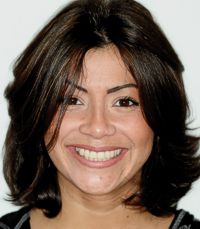 Common examples of occlusal treatment that nearly everyone is familiar with can be the need for orthodontic braces during our younger, formative years or the replacement of a major tooth structure with a dental implant, crown or bridge to preserve basic biting function.
When conditions are obvious, the eventual recommendation and completion of appropriate treatment is eventually obtained. Uncommon OcclusionThere are however, other, not so obvious conditions that can escape our attention yet cause future bite problems that lead to increased trauma to individual tooth structures and overall alignment. Left untreated for an extended period, these seemingly unnoticeable events can cause TMJoint dysfunction that can compound into jaw joint pain and even migraine headaches and neuromuscular dental pain.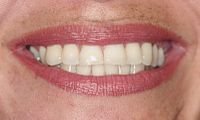
Early Signs of Changing BiteOur featured patient, a 30 something female had very healthy teeth but was unhappy with the coloration of her teeth and more importantly, felt that her teeth were somewhat uneven... or lacked symmetry in appearance.During the consult with Dr. Bram, it was discovered that the uneven edges of her upper anterior teeth were early signs of uneven or unbalanced biting surfaces. The 2 front teeth showed the most wear. Certain tooth structures were beginning to shift outward. Biting surfaces on some of the posterior tooth structures were also beginning to show unusual wear. Orthodontic Alternatives for Early Bite CorrectionMany adults who have a need for minor orthodontic adjustment to address tooth straightening or bite adjustment issues seek treatments that eliminate the need for traditional braces.Invisalign clear braces has become known as a popular alternative. For our patient, she had the option of using custom feldspathic veneers that would achieve the functional and cosmetic goals she had in mind. Feldspathic porcelain possesses properties that enable the dentist and an experienced cosmetic dental lab technician to create veneer products that reshape tooth structures, alter biting surfaces (and incisal edges) along with creating coloration qualities that mimick Mother Nature very well. Dr. Bram worked closely with technicians at the Smile Design Laboratory to individually create veneer products that provided the coloration, biting surface and size symmetry changes required... on a tooth by tooth basis. A total of 8 feldspathic laminates were used in the resurfacing treatments. The 3rd photo in our treatment series dramatically shows the changes wanted by the patient. To assure common veneer mistakes would be eliminated, Dr. Bram created veneer temporaries that the patient wore for about two weeks which became the final models for the permanent veneers. 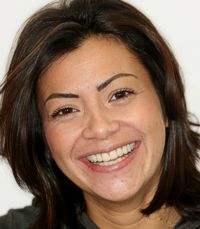 The upper arch shows an attractive harmony in size and biting surfaces that looks natural and feels natural for the patient. Following the Rules of Golden Proportions, Dr. Bram was enabled to create a perfect example of the perfect Smile Line.
Aesthetically and in terms of overall function, our young patient was thrilled with the outcome... as reflected in how her smile behavior has changed. Contact Dr. Bram and his staff today at (718) 229-3232 to arrange a complimentary evaluation to learn more about informed decisions in selecting bridgework that can help you create the cosmetic result and dental function you may be missing. Visit Dr. Bram at his new Dark Gums website and his Queens Smile Makeovers website. |
| Dental makeover drama for discriminating Bayside patients Crown replacement procedures for all types of tooth structures and multiple teeth arch work. Functional and cosmetic makeovers with best choice premium porcelain restorations. |
|
Cosmetic Implant Dentistry Gary Bram D.D.S. 3534 Bell Blvd, Bayside NY 11361 Serving Queens and Long Island NYC (718) 229-3232 Fax: (718) 229-5655 All rights reserved 2005 Powered by DentMedHost |
